What are Virtual Services?
Virtual Services enable people availing of disability support services to access training content, engage in peer support, participate in information sessions and engage in social activities. They complement in-person services and overcome geographical and transport barriers, expanding access.
Why Virtual Services?
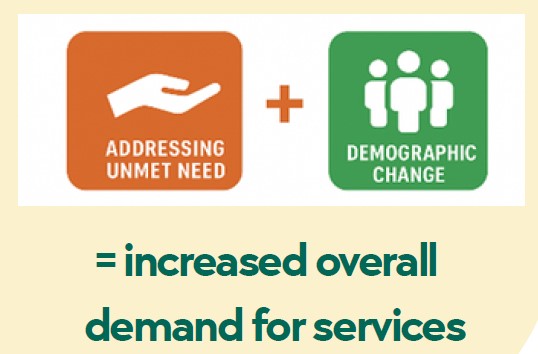
Virtual services offer a valuable opportunity to broaden choice and connection for people with disabilities. As Ireland’s population grows and ages, with demand for support exceeding resources, we must rethink how services can reach people in ways that best suit their needs.
Disabled people have a right to expect innovative ways to complement existing support models, be fully socially included, and enter new possibilities for hybrid engagement, learning, and community.
Mainstreaming
Virtual services are informed by the UNCRPD disability‑rights principles, driving equity of access by making supports flexible and shaped around each person’s life. This project will see collaboration between participating disability service providers to build capacity for the provision of virtual services, calling on the lived experience of service users to co-design content that supports their needs and preferences.
- Community and connection: Helping to reduce loneliness and isolation
- A space to learn and grow: Providing a regulated environment for skill development and experience sharing.
- Enhanced agency and choice: Promoting person-centred supports aligned with the UNCRPD
- Continuity of support: Ensuring engagement during disruptions like illness or bad weather
- Wider accessibility: Opening doors to broader communities and interests
- Health and well-being: Enabling access to programmes, peer networks, and creative pursuits
- Sustainability: Reducing reliance on transport, lowering emissions, and supporting national climate goals
Expanding Reach
Of the 1.1 million people who report having a chronic condition or disability in Ireland, 34,652 adults engaged with disability day services in 2024. This means that there are a large number of people who may require support, who do not currently access disability services. Virtual community supports have the potential to enhance the wellbeing for many more people whose social engagement and health could be supported through a digital approach.
Digital Inclusion
Digital inclusion is now central to social inclusion. Virtual services also contribute to national digital literacy targets and strengthen digital capacity among participants, family members, and staff. Rapid innovation during the pandemic demonstrated the adaptability of disability services and accelerated Ireland's position as a leader in virtual disability supports. These investments support long-term goals for universal internet access, widespread digital literacy, and increased digital delivery of public services.
To learn more about this project, please contact Valerie Healy vhealy@enableireland.ie
Two page PDF leaftlet with information on the project available for download.
These supports can enhance accessibility and inclusion for people with intellectual disabilities and / or those who are neurodivergent, when accessing digital content or services and using digital tools.